

Sony Haven
An IoT-enabled environmental product designed to find personal mindfulness in the face of distractions
Overview
Mindfulness is an effective mental health practice that has experienced a rising global interest. As technology-assisted mindfulness practices gain popularity, there is an opportunity to bring mindfulness-based technology interventions into the home with Sony’s existing suite of home entertainment products (HEPs). Quickly into our research, we discovered that mindfulness is difficult to define and practiced in a wide variety of ways. One unifying challenge participants reported regardless of their conception of mindfulness, was distractions from their practice.
Sony Haven is an IoT-enabled environment designed to reduce distractions that may prevent you from finding mindfulness, however you pursue it. Leveraging ambient noise detection features and Sony-compatible IoT hubs, Haven coordinates devices in the home to address distractions from others, environmental conditions, and digital technologies.
My Role & Practices
IoT Interaction Design
Generative & Evaluative User Research
Concept Storyboards
Video Prototype
Tools
Figma
Miro
Adobe Premiere
Sony TV
Sony Headphone
Smart lights
Project Information
Client Sponsored Project
Work directly with Sony Clients in San Diego
Delivered Presentation to the Tokyo Sony UX Team
Sony Haven Video Prototype
Check out this awesome video prototype first before delving into more complicated project details to quickly grasp the overall concept, philosophy and story of Sony Haven : )
Design Question
How might we enable U.S. adults to create distraction-free space for mindfulness practices in the home?
Foundational Research
To understand our problem space, we needed to investigate how U.S. adults currently conceptualize, pursue, and utilize tools, including HEPs, to cultivate mindfulness along with the barriers to their existing mindfulness practices.
Market Audit
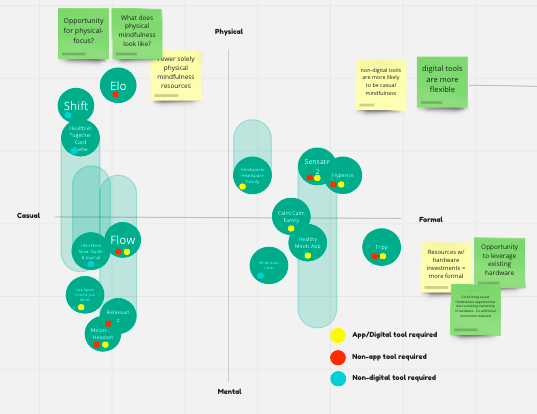
Comparative analysis of 17 mindfulness products across 34 comparison points to understand the existing landscape and identify market gaps to explore
Cognitive Mapping
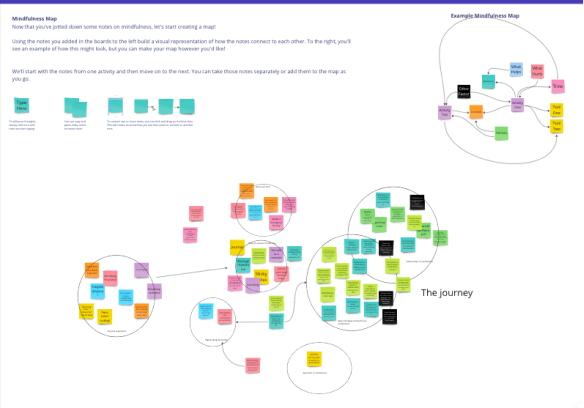
Participatory mapping sessions to understand mental models of mindfulness and the interacting elements of mindfulness practices
Mindfulness Survey
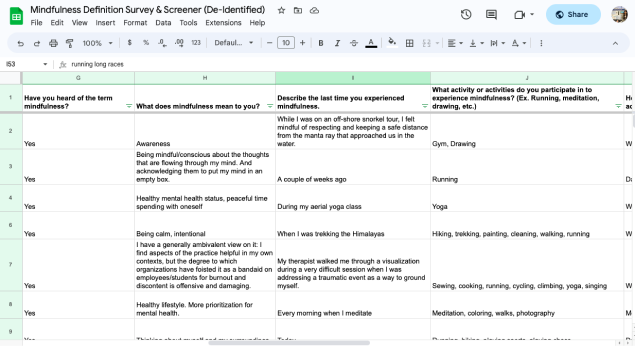
Survey of U.S. adults to understand conceptions and practices of mindfulness among Home entertainment product users across varied home living situations
Sci-Fi Inquiry
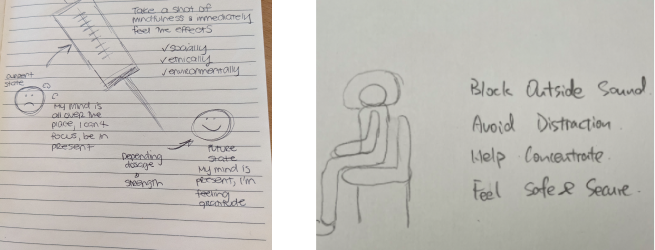
Art-based inquiry into conceptions of mindfulness tools 100 years in the future to investigate prioritized user needs and challenges
Key Themes
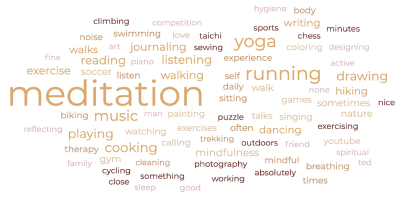
- Mindfulness definitions and practices may vary but distractions are a consistent challenge.
Survey respondents described a wide variety of personal mindfulness conceptions and no operationalized definition can be found in the existing literature. In Sci-Fi Inquiries, multiple participants drew tools that would block out external distractions. Cognitive mapping sessions revealed that three distinct categories of distractions negatively impacted nearly all mindfulness pursuits.
- Three Key Categories of Distraction

Design Implication
- Addressing the Three Key Categories of Distraction

- Establishing User Trust in Technology for Mindfulness
Cognitive Mapping and Diary Study participants revealed that people develop lasting relationships with HEPs and already use Sony devices, such as headphones, to mitigate distractions in their environment. When it comes to mindfulness and technology though, trust is difficult to establish. Our design must encourage the pursuit of mindfulness in an empathetic manner that builds trust over time with the user.
Two Critical User Groups
Based on the need to mitigate interpersonal distractions and the communal nature of many US adult living situations, we identified two critical user groups that were centered throughout our design approach.

Initial Design Concept Exploration
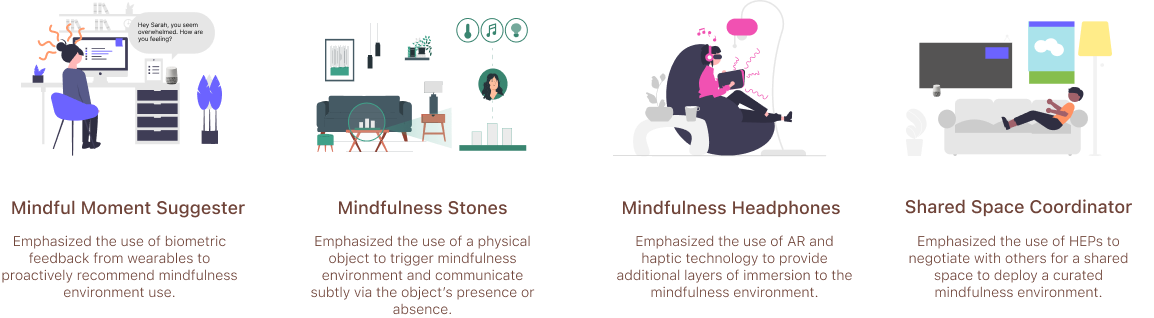
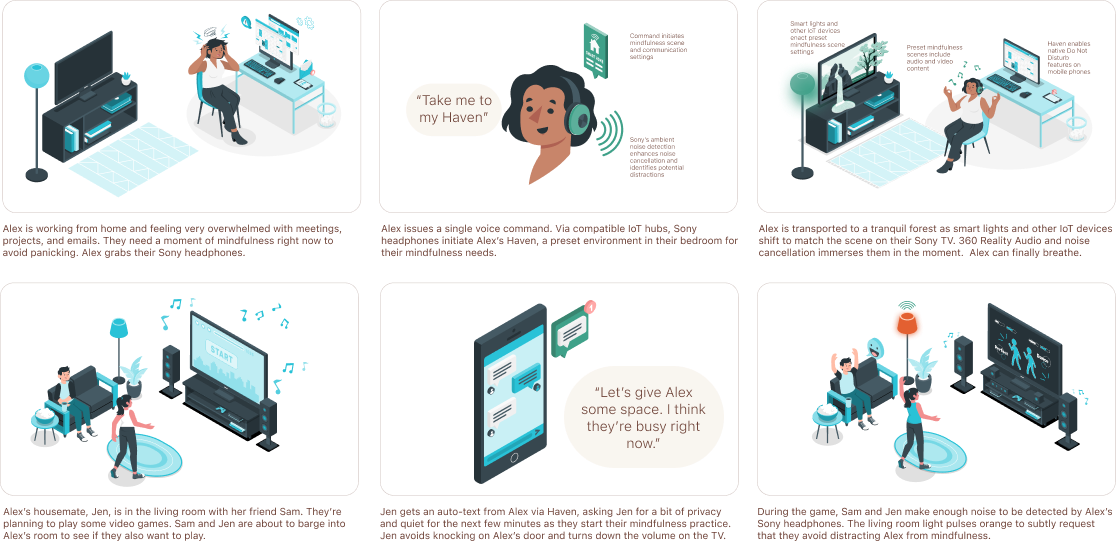
We explored how we might address key findings from our foundational research through 4 design concept storyboards. Each emphasized the use of IoT devices to create an environment for mindfulness while considering additional features to address interpersonal distractions and additional foundational research findings.
Concept Testing & Design Implication
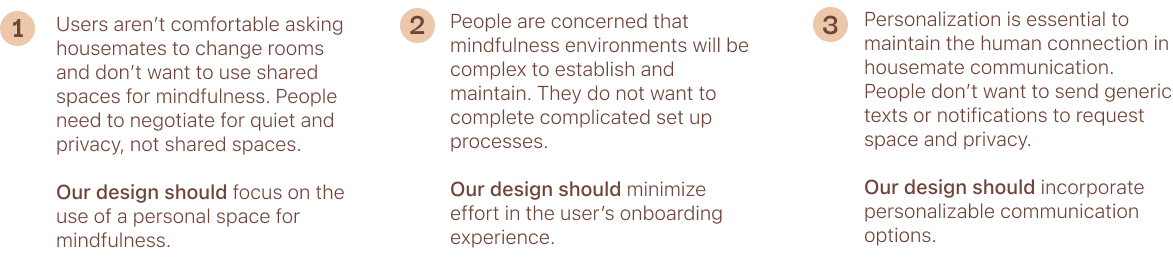
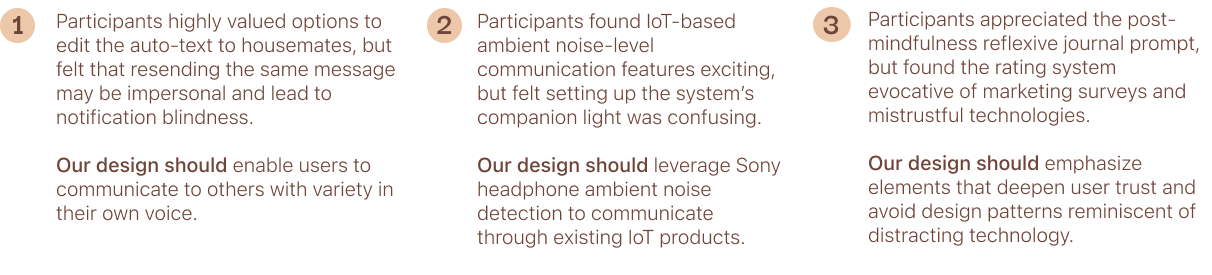
To understand how and whether users would engage with these designs, we conducted concept testing sessions with sets of roommates (n=7). We asked for initial feedback on all of the designs and conducted deeper explorations of the concepts that resonated most with each participant.
“If we need private space we will just go to our own room. We don’t say you (housemate) can go back to your room.”
“I’d want it to be a cute message - don’t want it to feel serious or demanding. Maybe I can edit the message, can add emojis to have a more personal note so that people will respect your time and build the relationship.”
Key Findings & Design Implications
Onboarding Usability Testing
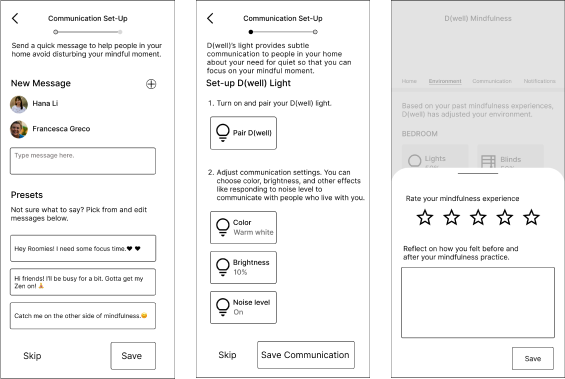
To address concept testing concerns and ensure our design requirement of effortless use was fully realized, we designed and iteratively tested our system’s onboarding flow (n=6).
Key Findings & Design Implications
Wizard of Oz Testing
To ensure IoT-based communication and preset mindfulness scenes could effectively remove and prevent distractions, we tested a wizard of oz prototype of each experience.
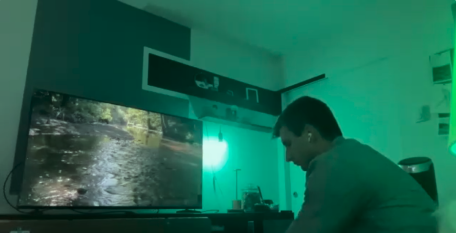
“Honestly, I wasn’t expecting to find it as pleasant as I did overall. The combination of the dimmer lights, the scenery, the music, the nature sounds, the air conditioner, the lack of disturbance from other people really contributed to like a nice moment overall.”
Key Findings & Design Decisions
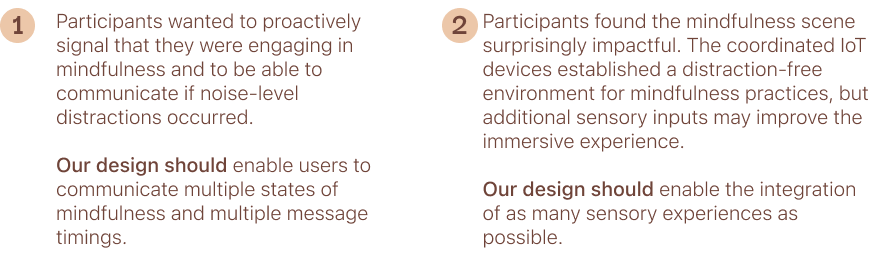
Testing also verified that …

Sony Haven Concept Storyboard
Onboarding Design
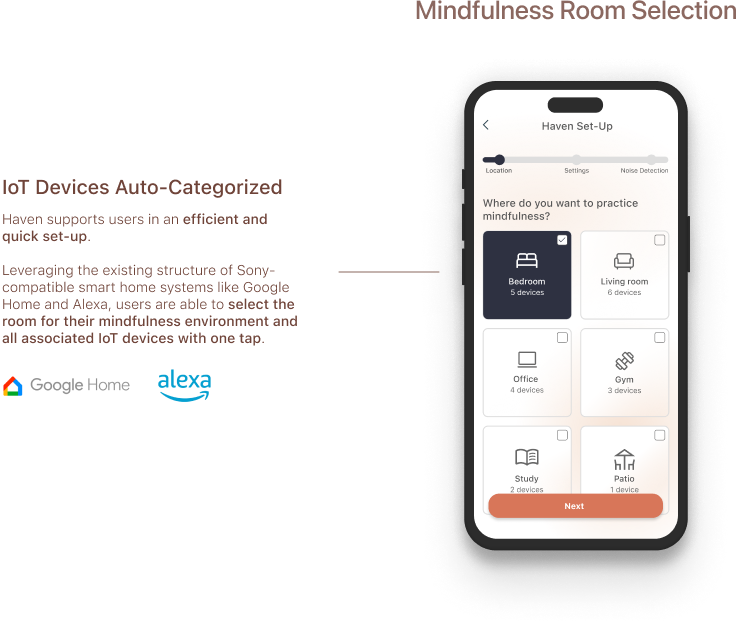
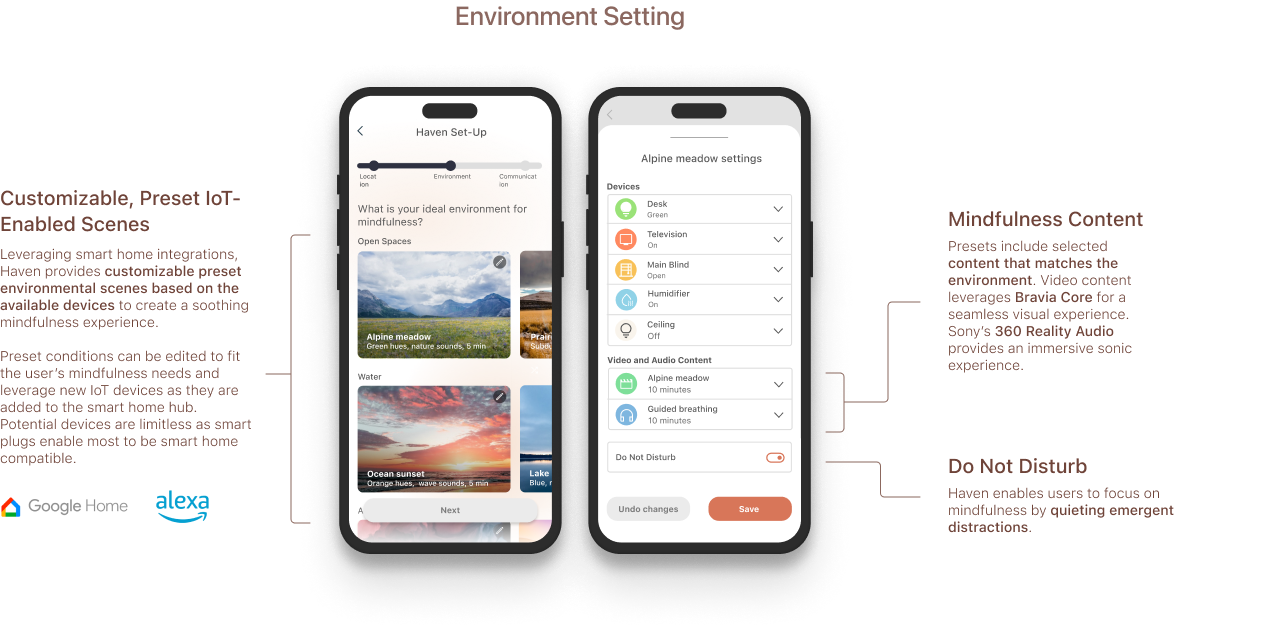
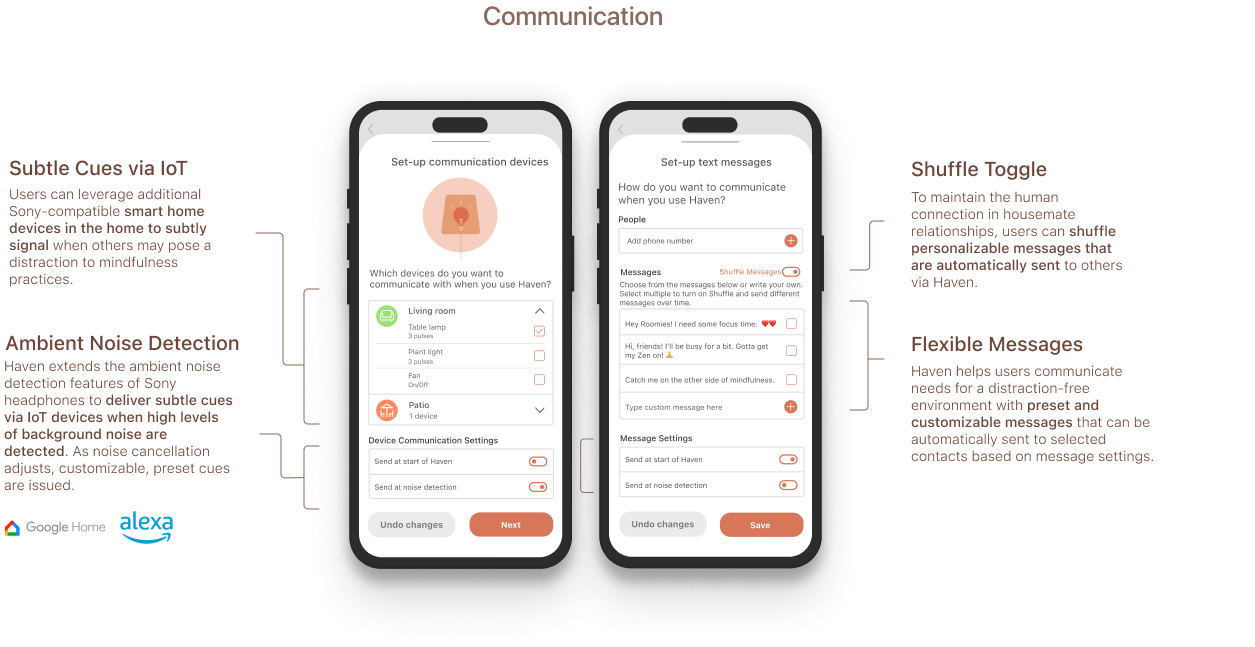
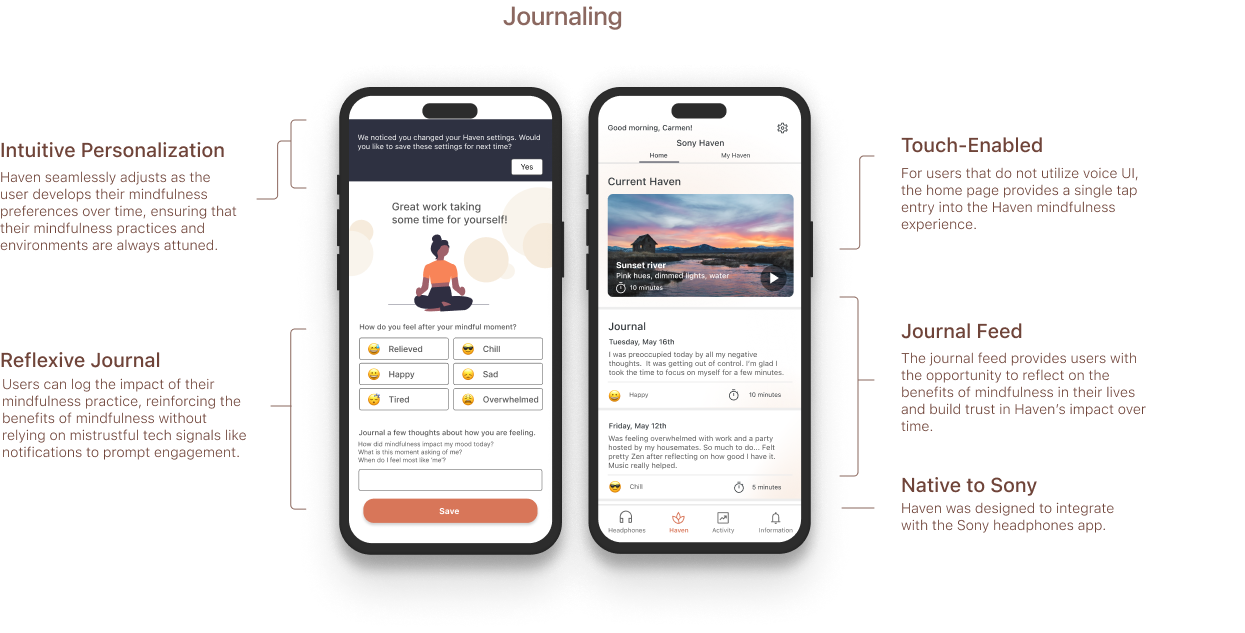
Interactive Onboarding Prototype
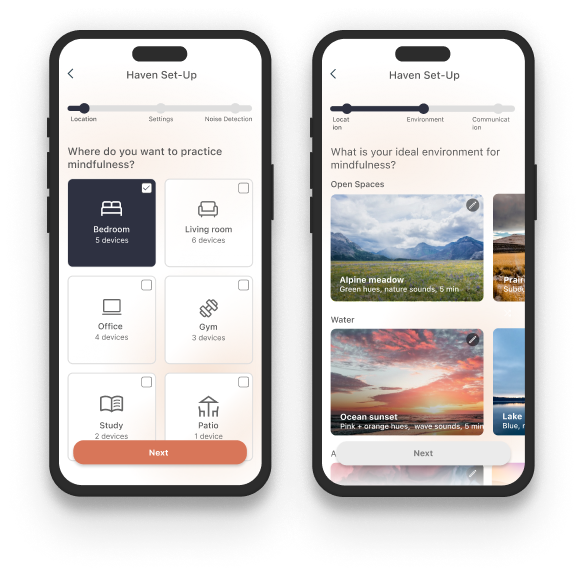
The magic of Sony Haven is realized in the immediate coordination of a distraction-free mindfulness environment, but great attention was also given to the experience of user onboarding. Due to our design concept’s emphasis of Sony’s ambient noise-detecting headphones, we focused our onboarding exploration on a proposed integration within the Sony Headphones Connect application.
We developed a digital prototype of the onboarding flow for Haven features to demonstrate the commitment of our design to building trust with users as a mindfulness technology and to showcase an empathetic approach to designing for users in moments of potential duress.
Design Guideline
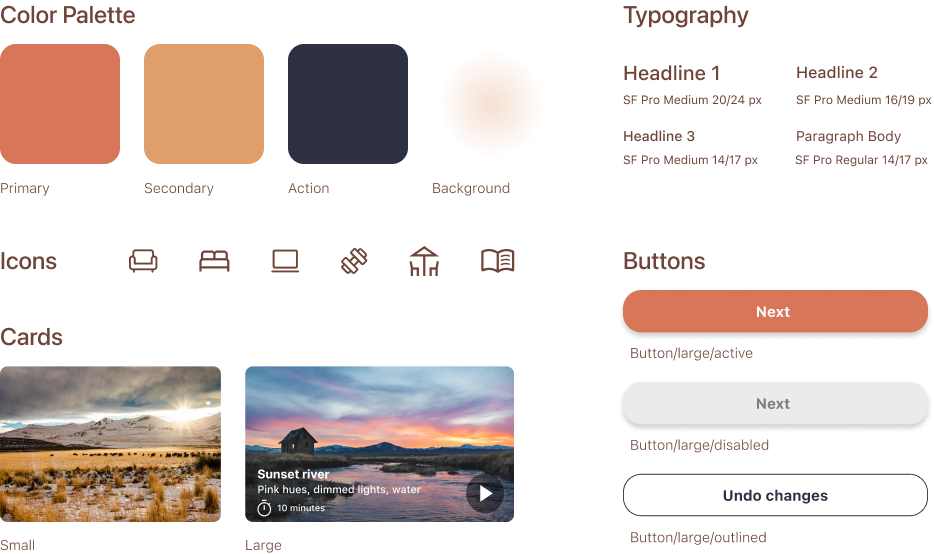
Guided by Sony's design philosophy of Visionary, Integrity, and Empathy, we have developed the Sony Haven design system. The system harmoniously blends gradient backgrounds and semi-transparency, evoking feelings of breathability. The color palette is derived from the Sony design system, enabling seamless integration within Sony apps.
Future Improvements
Mindfulness Channel Integration
Incorporating integrations with Headspace and Calm, along with Bravia Apps such as Yoga, will contribute to the overall flexibility of Haven, enabling users to engage in various mindfulness activities across their preferred content providers.
Personalized Preference Learning
Exploring opportunities to leverage user environment preferences and biometric data, enabling Haven to learn and respond to the user’s mindfulness needs proactively while acknowledging the intrinsic connection between our bodies and mindfulness.