

Context
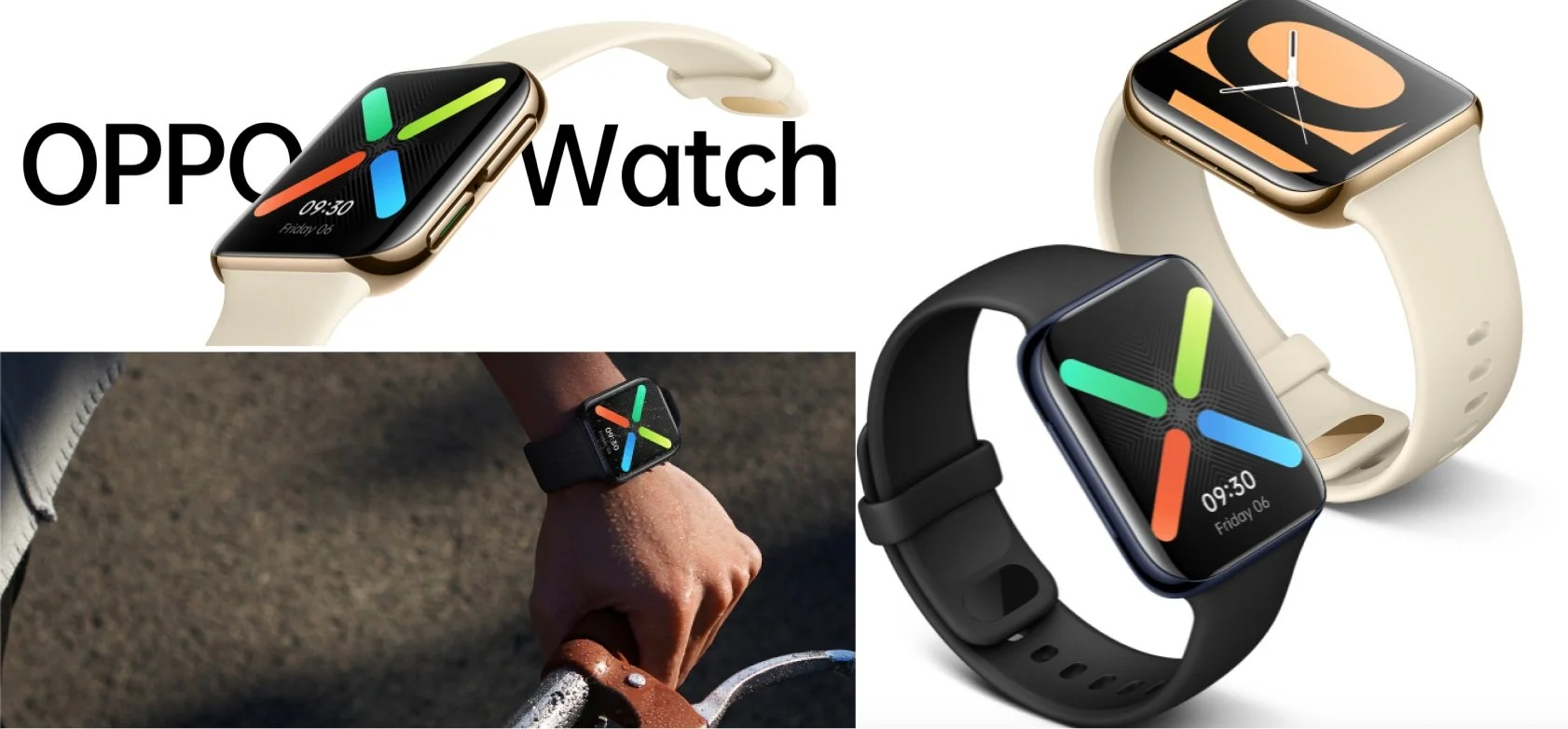
OPPO was ranked as No.4 in global smartphone market share, while it just entered wearables market in 2020. OPPO planned to launch their watch series 3 in 2022. OPPO watch series 2 mainly focused on “Connectivity” and “battery life”, yet other main competitors like HUAWEI, Apple, Xiaomi and Samsung wearables keep ahead in “Health and Wellness”, and continue deliver new wellness and fitness capabilities. Our goal is to understand current wearable device users better and in-depth, not only discover their needs, pain-points and expectations when using smartwatch, but also dig deeper into the health and wellness of their daily lives (eg, sleeping quality, suboptimal health status, work out routine), empowering the product development of OPPO series 3.
My Role & Practices Project Info
UX Strategist
Interview
Focus Group
Concept Testing
Competitor Analysis
Data Collection & Analysis
Launching in 2022
UX Strategist
Wearable Technology
Duration: 4 months
Product will launch in 2022
Responsibilities & Impacts
I was a UX researcher Intern at OPPO Mobile Telecommunications Corp from April 2021 to August, 2021. Collaborated closely with PM, I worked on qualitative research in the early stage, conducting one-on-one semi-structured interviews and focus groups in different cities to discover smartwatch users’ needs and pain points. Around 20 different concepts, which associated with smartwatch features, have been proposed by PM, I also took the responsibility to test our concepts and gauge users’ acceptance and willingness before launching it in future. Due to the NDA agreement and sensitive nature of wearable technology projects, I can not share all the specifics, but I would love to share the scope of what I was able to do and what I have learned.
Research Plan & Scope
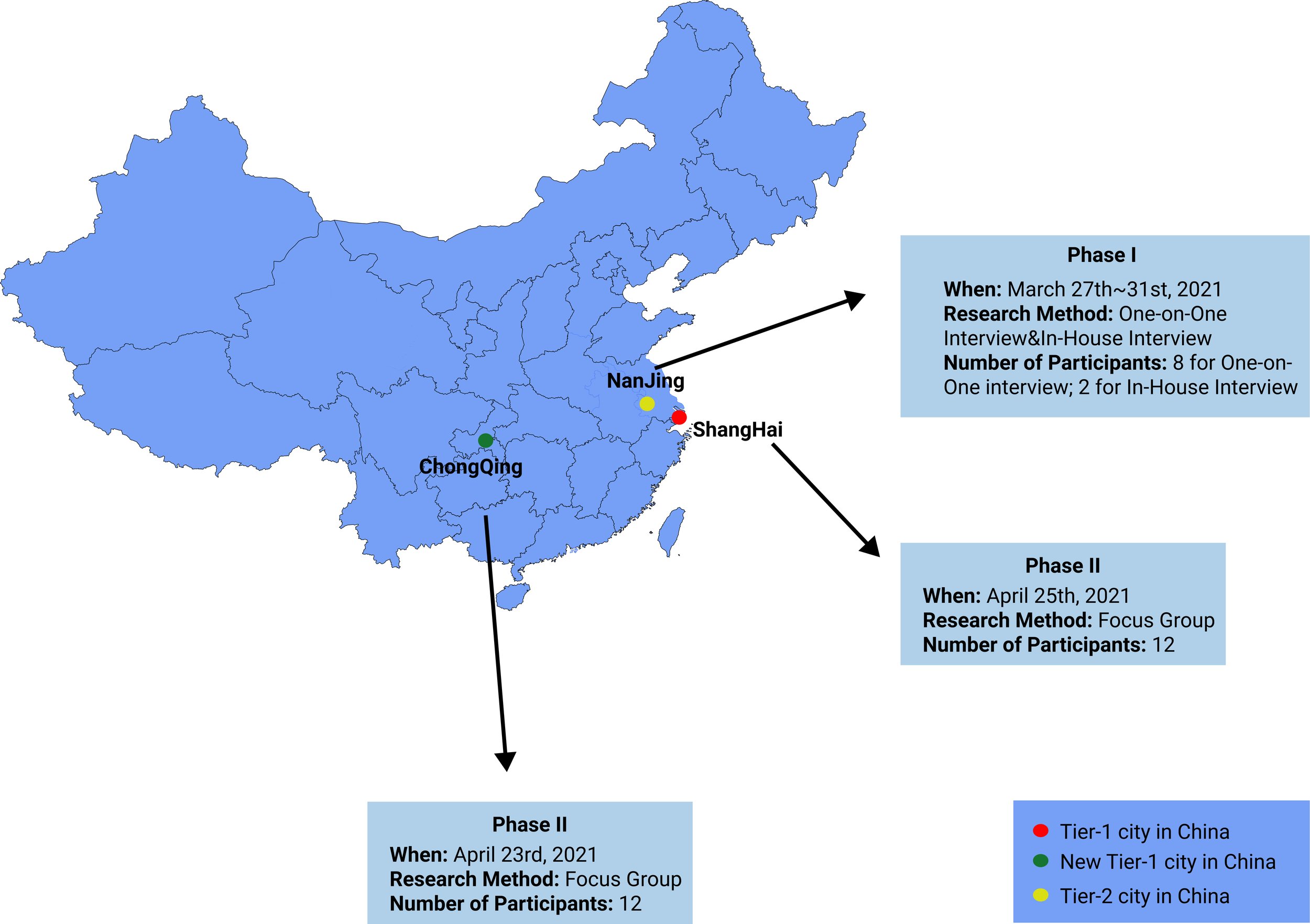
The user research was made up of 2 phases. Phase one we conducted 10 one-on-one interviews and phase two we did focus group with 24 participants (6 participants as one group, 4 groups in total).
Participants’ locations, mobile and smartwatch operating systems, types of family and other factors related with health and fitness are all carefully considered during recruitment. We deliberately selected participants for the sample to be representative.
Research Insights
Fitness (exercise):
It’s hard for young professional users to get large time blocks to do exercise, and they worry about the perfect amount of exercises in that ended up getting no exercise at all.
Users who are fitness workout beginners feel anxious after they got workout injuries due to training/technique errors, and they need more professional guides and advices to prevent injuries in the future.
Health (sleeping):
Many users are not satisfied with their “deep sleep duration”, and wish to get a longer-lasting deep sleep.
Some users feel an inconsistency between their own perception of their deep sleep duration and the monitored data shown on smartwatch. Users are suspicious about the accuracy of the sleep tracking monitor on watch.
Users are not only concerned about their overall sleeping time, but also how many hours of deep sleep they got, and how good their sleep quality was each night. Several clear indicators or cues are recognized by most users which stand for high quality sleeping. 1) fall asleep quickly after getting into bed 2) sleep straight through the night, waking up no more than once per night 3)feel energized, restored and refreshed upon waking up in the morning.
Others:
Smartwatch-induced anxiety: Some users felt anxious with those personal health data because they prone to over-diagnosing every alert from their wearables. Those health data is usually ambiguous or served up without any contextual information.
Concept Testing
25 feature concepts of OPPO Watch series 3 had proposed by the PM, and those concepts were categorized into 5 main group concepts: Intelligence, exercise with safety, multi-sports scenes, daily health and cardiovascular health. The research method used in the testing part was “Concept selection and evaluation (Protomonadic test)”. Basically, we asked respondents to first choose the group concept they like the best among the five, then pick their first choice in each group concept. A five-point scale evaluation form has been constantly used, and follow-up questions understanding respondents’ thoughts were also being used, provided rich context as to why the preferred concept was chosen.
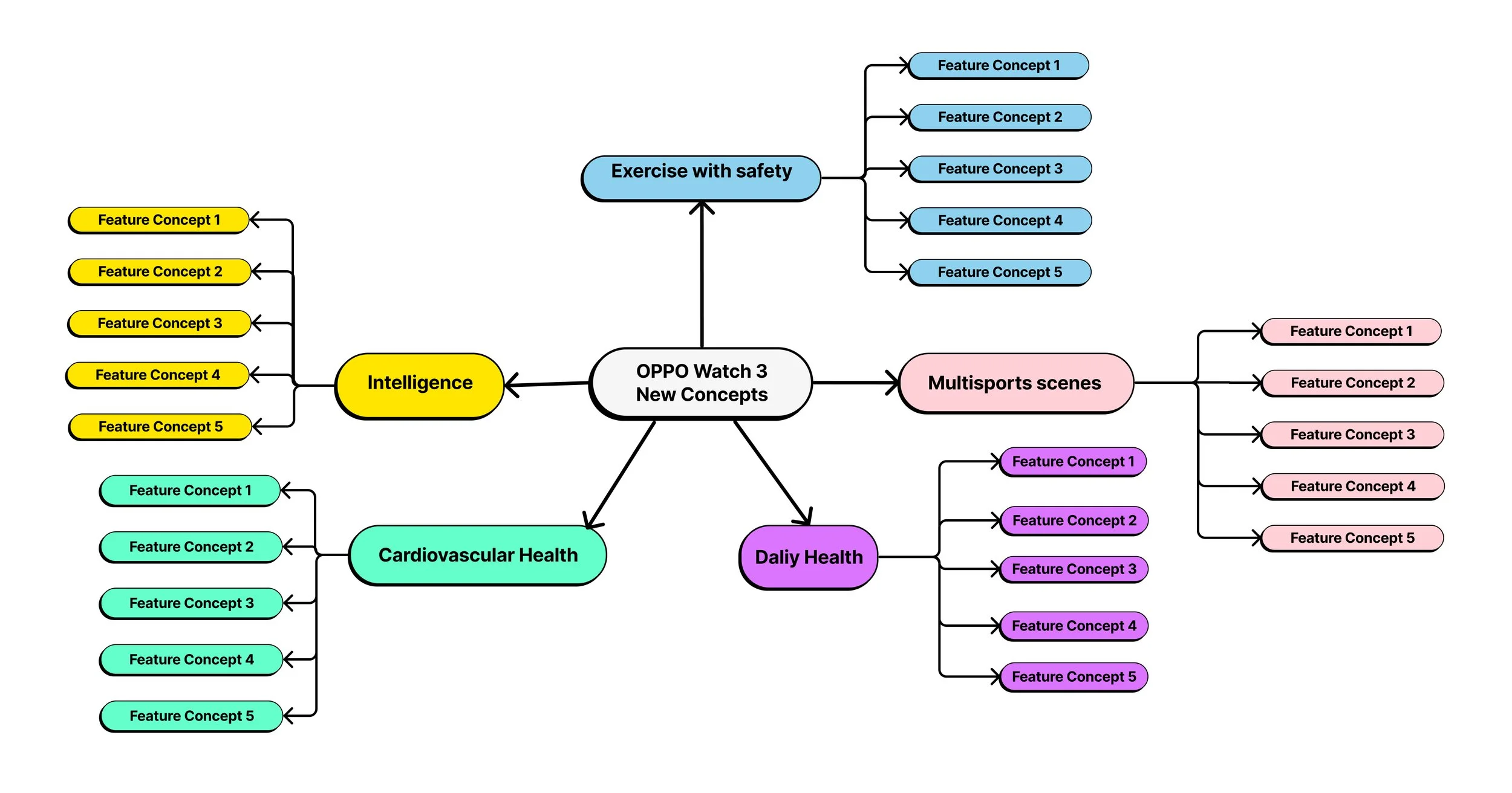
5 distinct group concepts, and each main concept has 5 feature concepts.
Feature Concepts
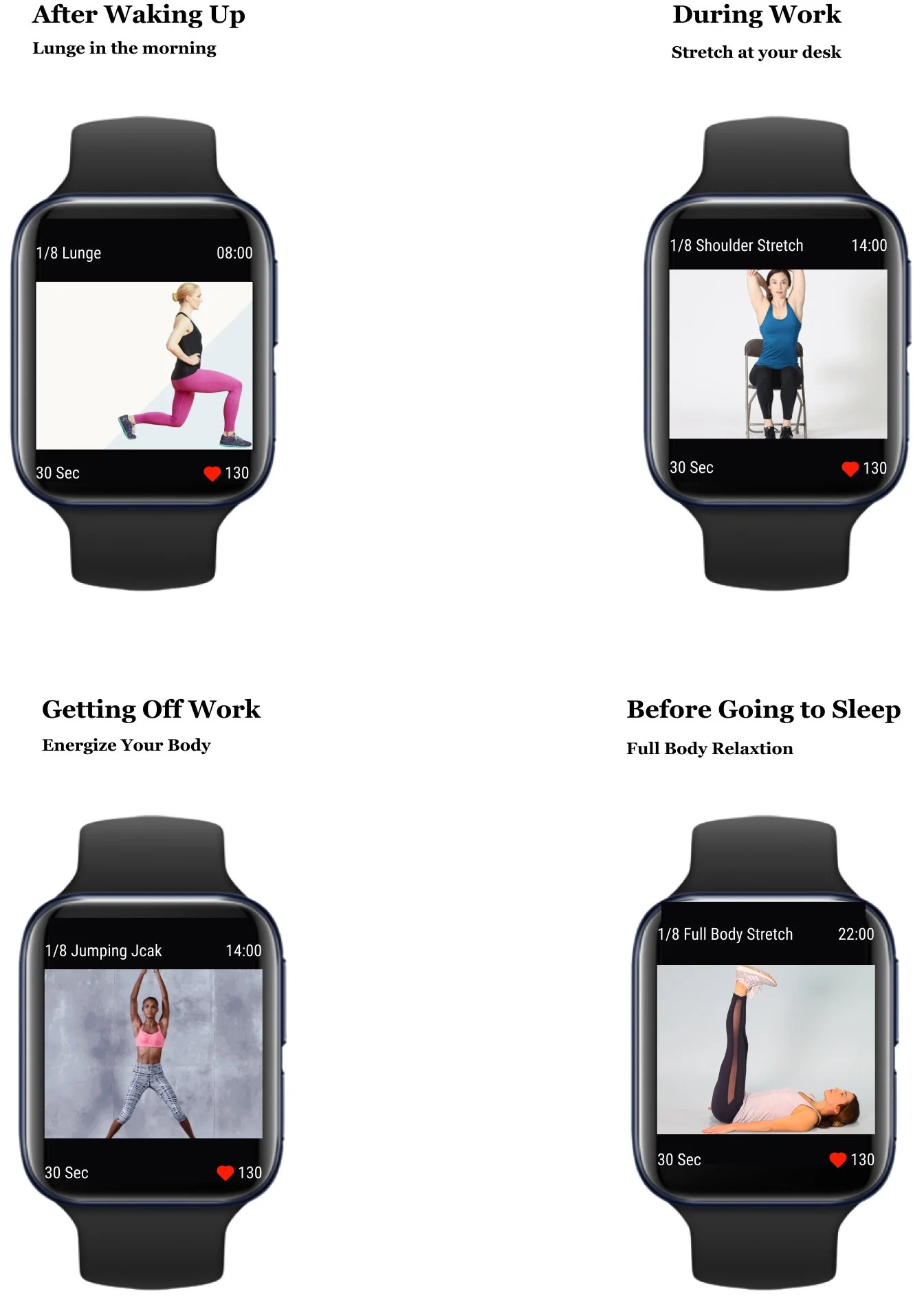
5 minutes workout
Utilizing small pockets of time to do quick sets of stretches and exercises. Never overlook the impact of accumulation!
24 hours monitor of AFib
Atrial fibrillation (AFib) is hard to detect and sometimes people have no symptoms at all, but irregular resting heart rate or very rapid/low heart rhythm are associated with a higher risk of Afib.
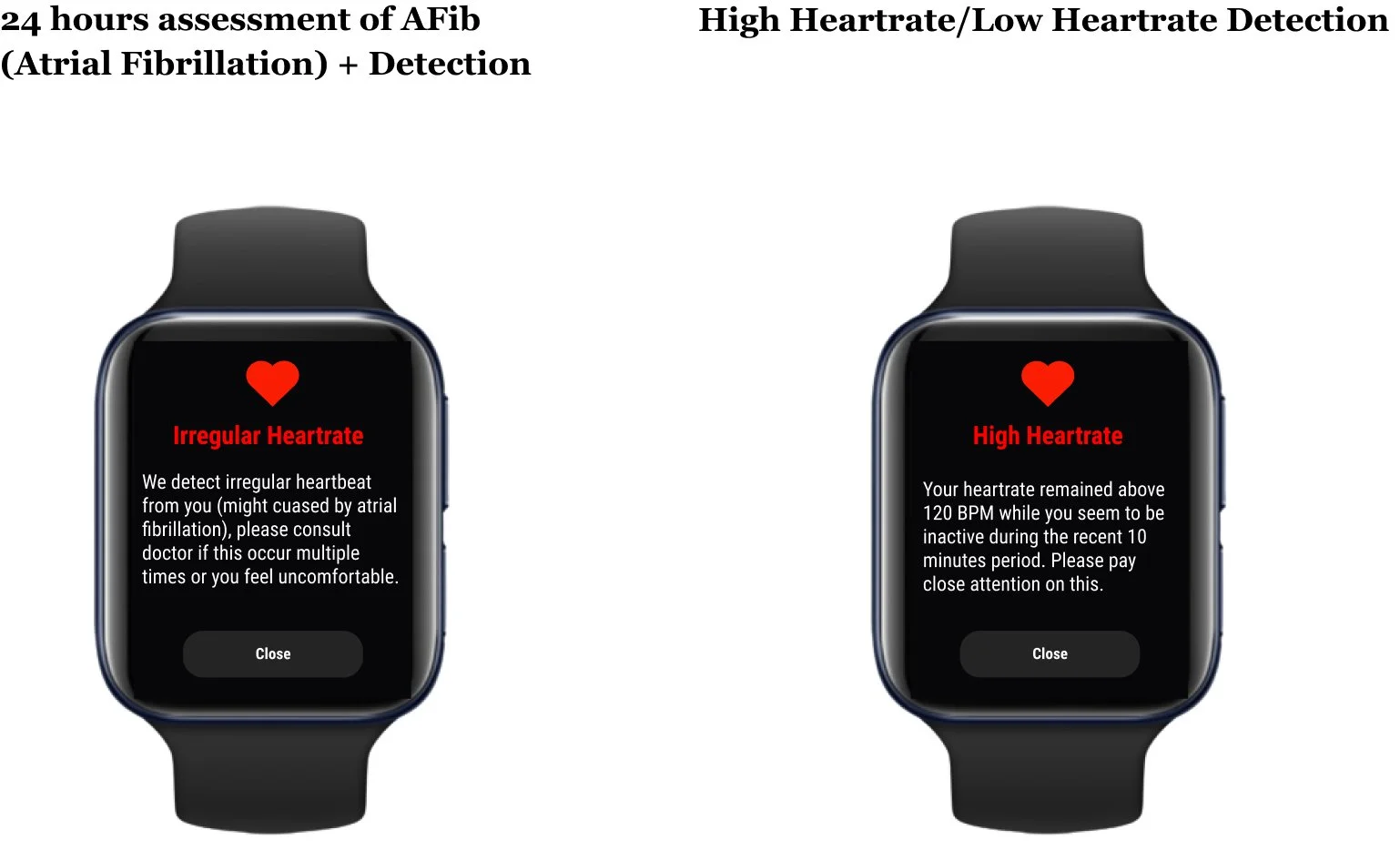
Due to the NDA agreement and sensitive nature of wearable technology, most concept details and the testing result can not be exposed. I would love to share the scope of what I was able to do and what I have learned, please feel free to contact me if you are interested. Two feature concepts are shown above only for examples.